
 Tiếng Việt
VENEER
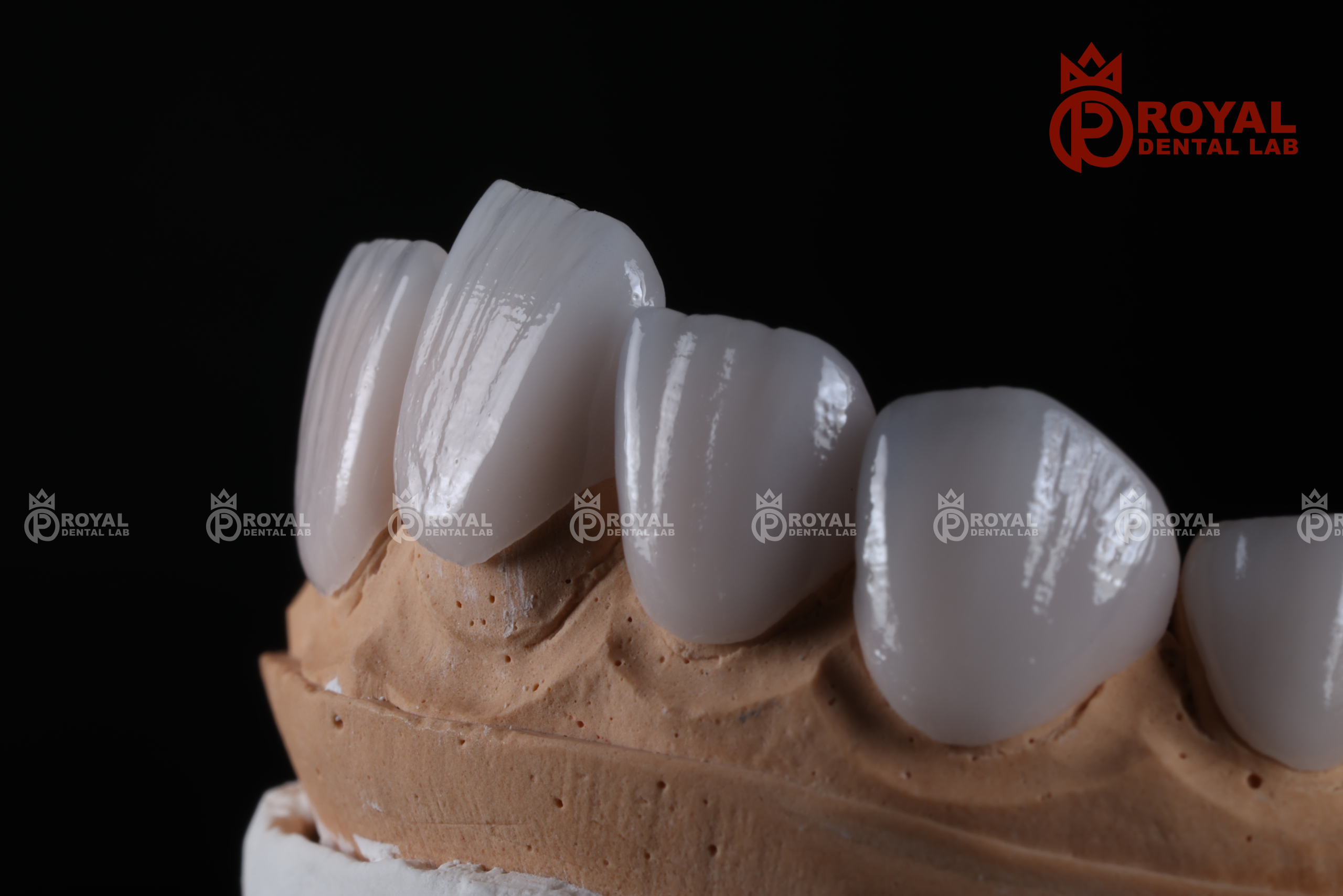
Porcelain veneers are one of today’s most sought-after cosmetic dentistry solutions, designed to transform your smile while preserving as much of your natural tooth structure as possible. The treatment involves bonding an ultra-thin shell of porcelain — just 0.2 to 0.5 mm thick — to the front surface of the tooth. Depending on the condition of your existing teeth, your dentist may recommend a no-prep approach or only minimal reshaping of the natural enamel.
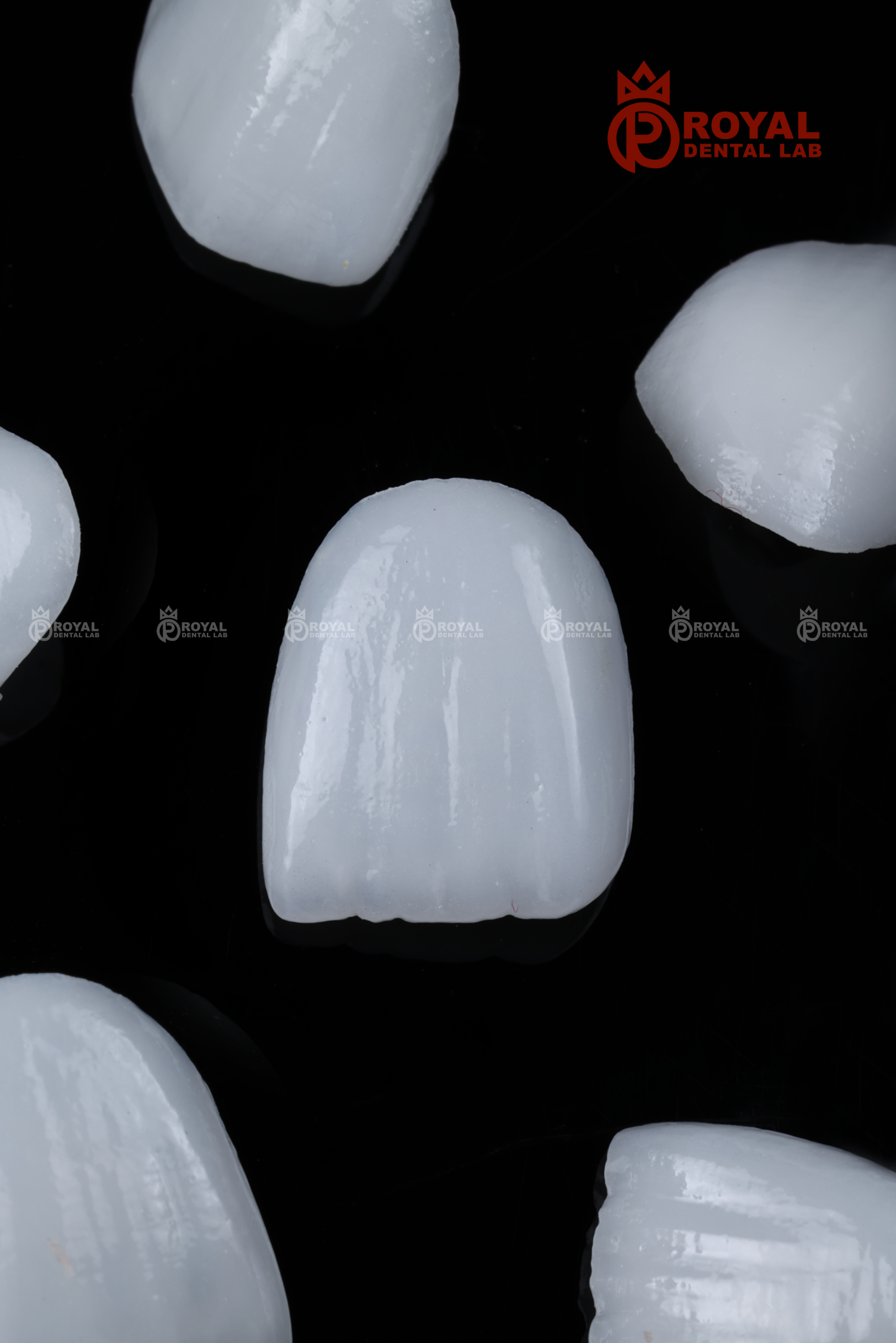
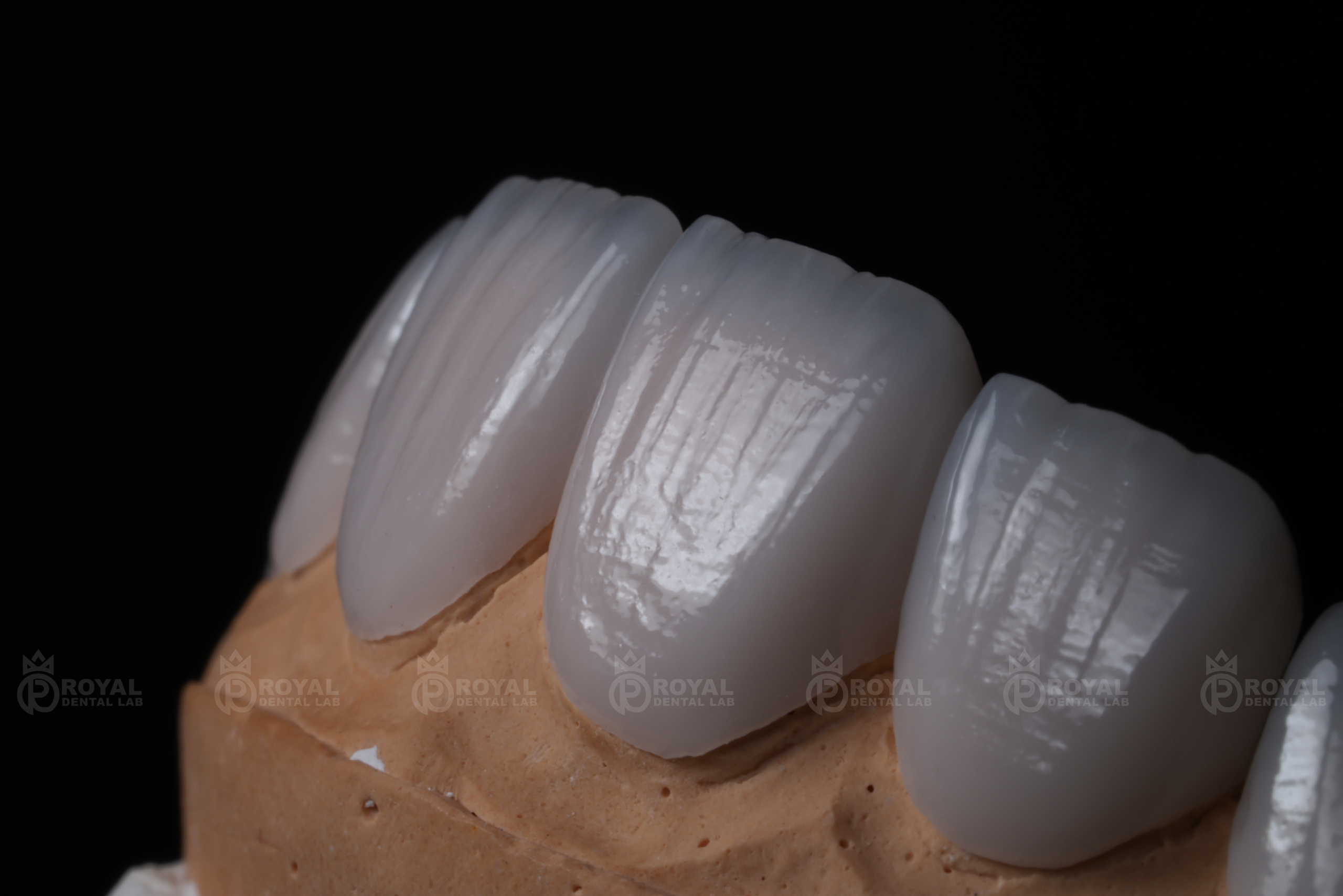
Our Veneer Fabrication Methods
- E.max Press (Pressed Lithium Disilicate) A heat-press technique in which ceramic ingots are melted at extremely high temperatures and pressed into a pre-formed mould. Because the result isn’t limited by a fixed veneer shape, the final outcome depends largely on the skill and artistry of the dental technician.
- E.max CAD/CAM (Digitally Milled) Using a fully digital workflow, the restoration is scanned, digitally captured, and designed in professional 3D design software. A precision milling unit then cuts each veneer from a solid ceramic block. This method delivers exceptional accuracy through modern digital technology.
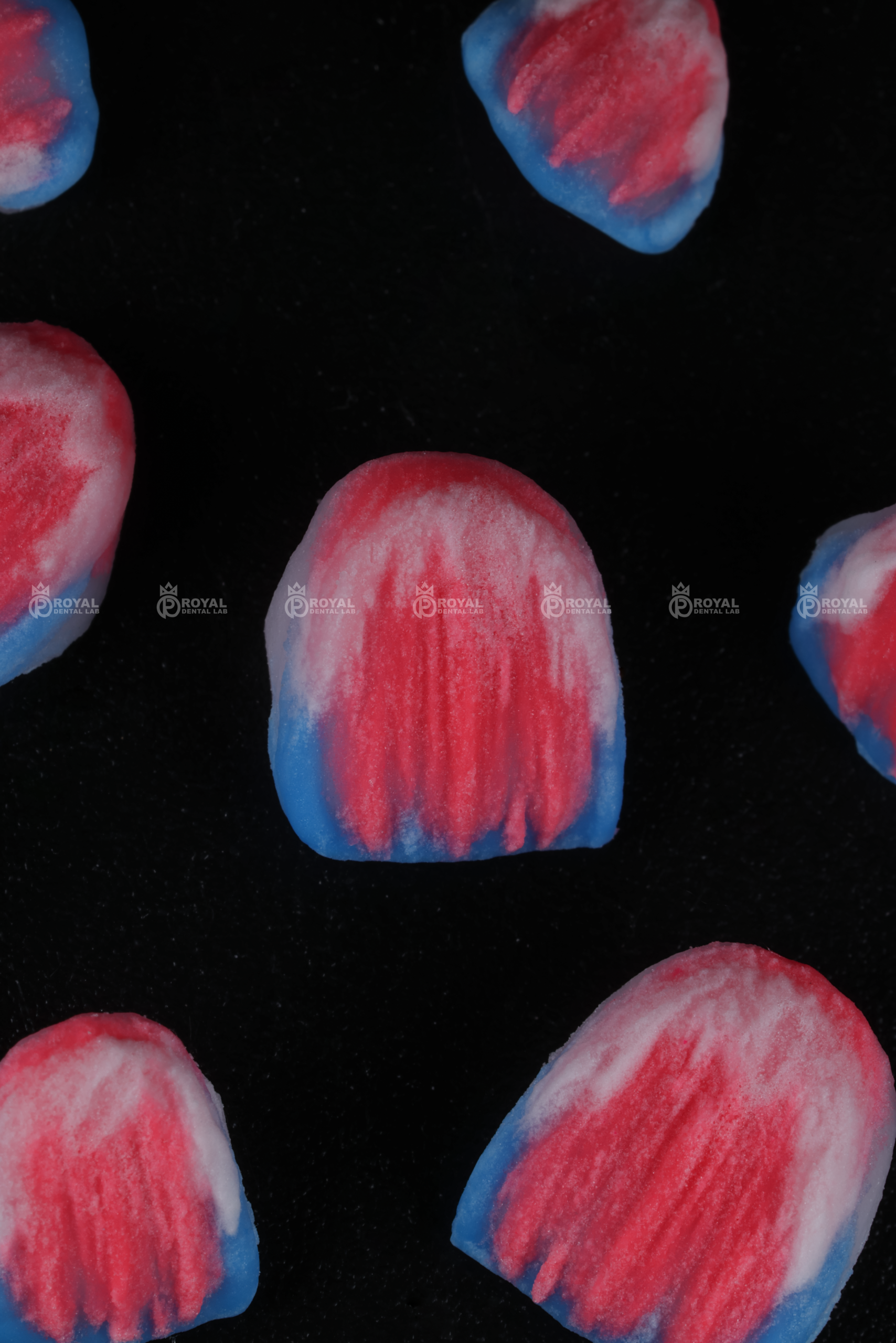
- Hand-Layered Porcelain (Feldspathic Veneers) Our technicians cast a refractory die model, then build and shape the porcelain layer by layer directly on the model. This approach is highly effective for ultra-thin and no-prep veneer cases, where precision and minimal thickness are critical.
Closing a Midline Gap (Diastema) with No-Prep Veneers
The Starting Point
- The patient presented with a gap between the two upper central incisors, noticeably affecting the harmony of the smile.
- Their goal was simple: close the gap without altering the shape of the surrounding teeth.
- A key requirement was full preservation of the natural tooth structure — no preparation, no enamel removal.
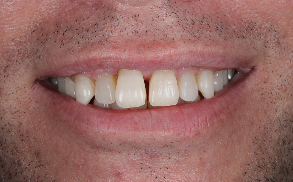
Before
In the Lab
- We captured the case using 3D intraoral scanning, recording the full arch along with the shape and structure of each tooth.
- The case was reproduced as a precise physical model using digital 3D printing.
- The veneers were crafted from a high-strength glass-ceramic, chosen for its ability to withstand functional bite forces while delivering a natural, lifelike aesthetic.
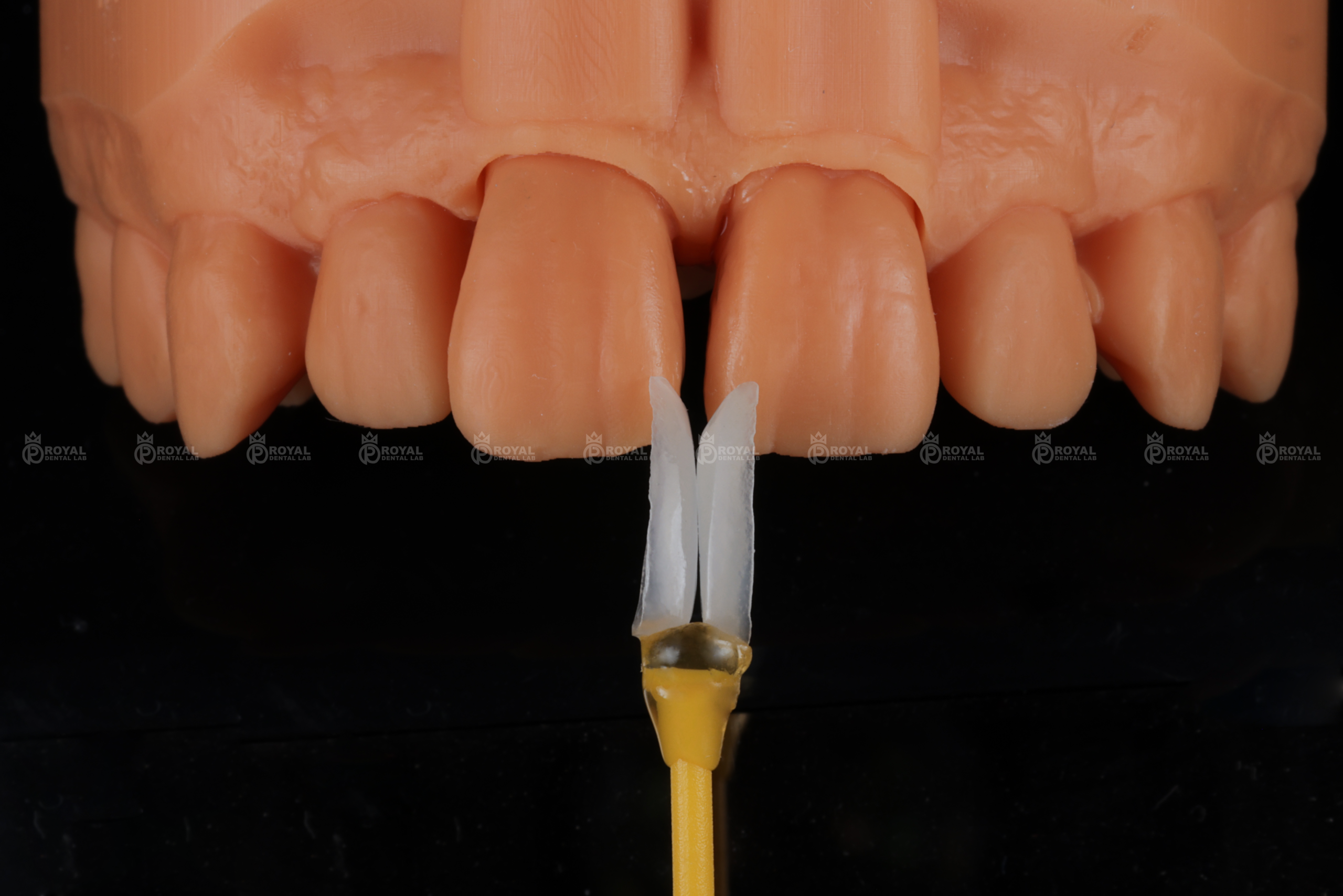
In Laboratory
The Outcome
- The veneers achieved an ideal result in both gap closure and colour match.
- The workflow ran smoothly from try-in through to final bonding.
- The patient was delighted to have closed the gap while keeping their natural teeth fully intact.
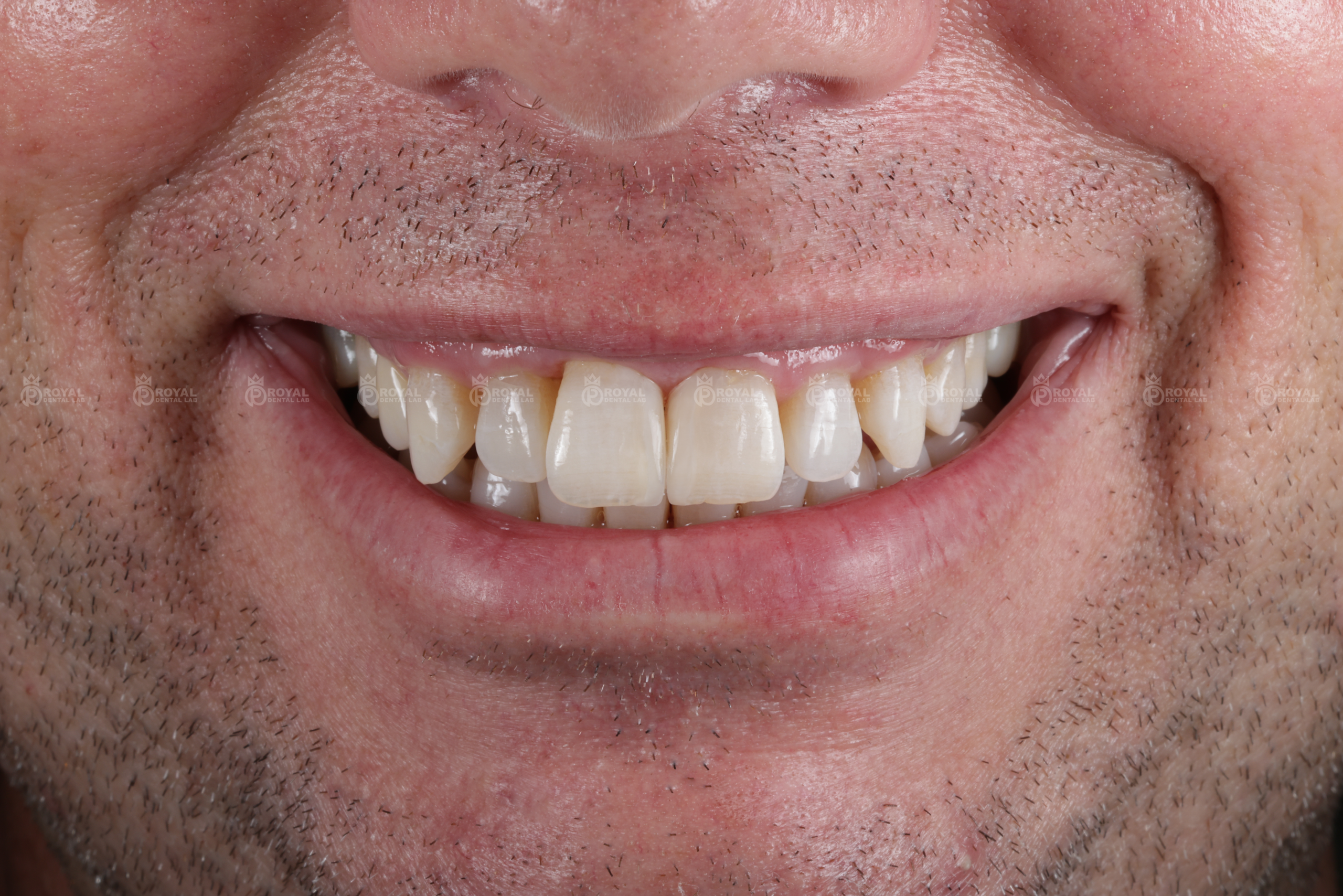
After
REAL CLINICAL CASE
The Starting Point
- The patient presented with multiple spaced teeth, leading to frequent food trapping and a compromised smile aesthetic.
- Their goal was a more harmonious smile with a natural shade — refined rather than overly white.
In the Lab
- Chosen fabrication method: CAD/CAM milling from monolithic zirconia, delivering high strength and durability for the restoration.
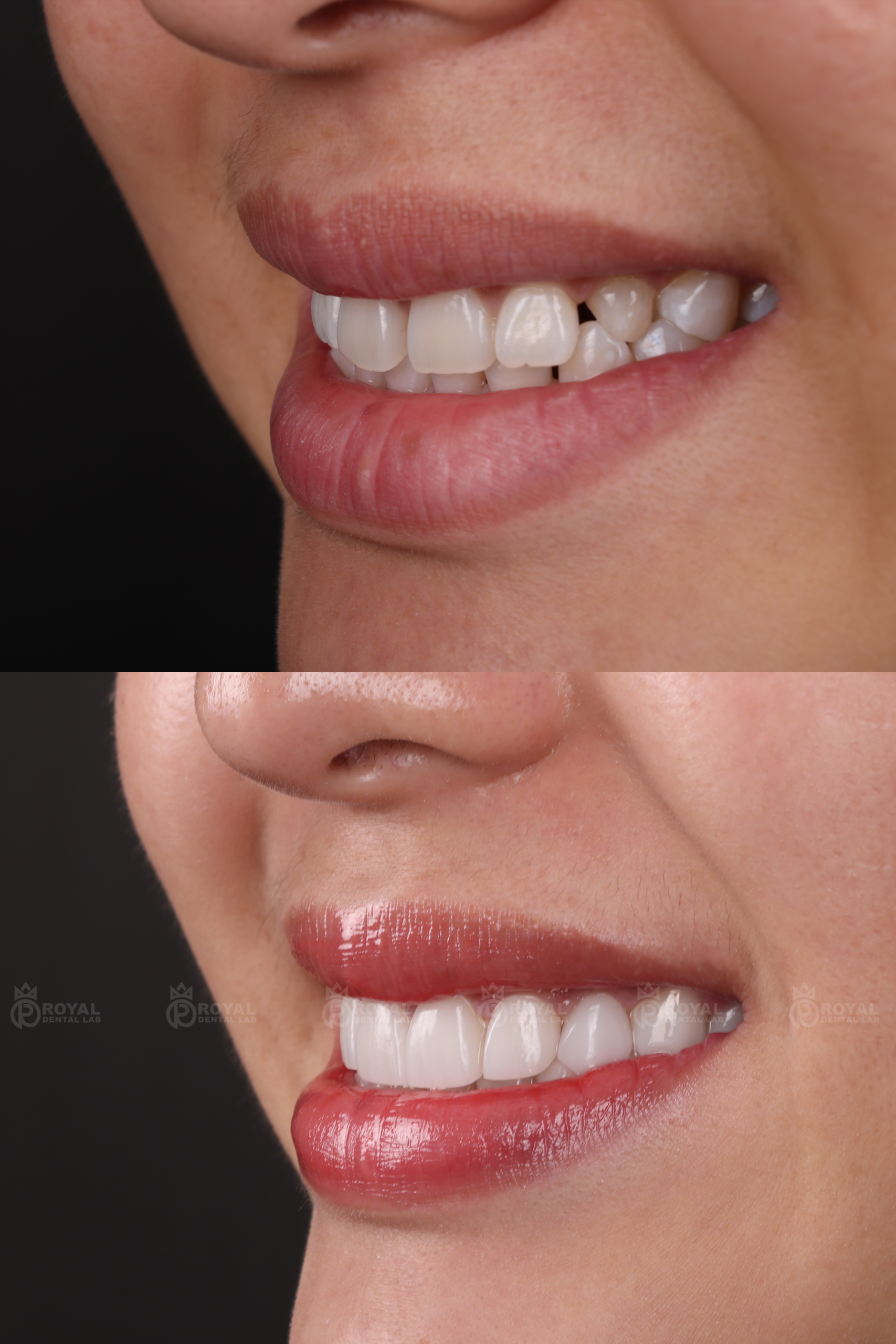
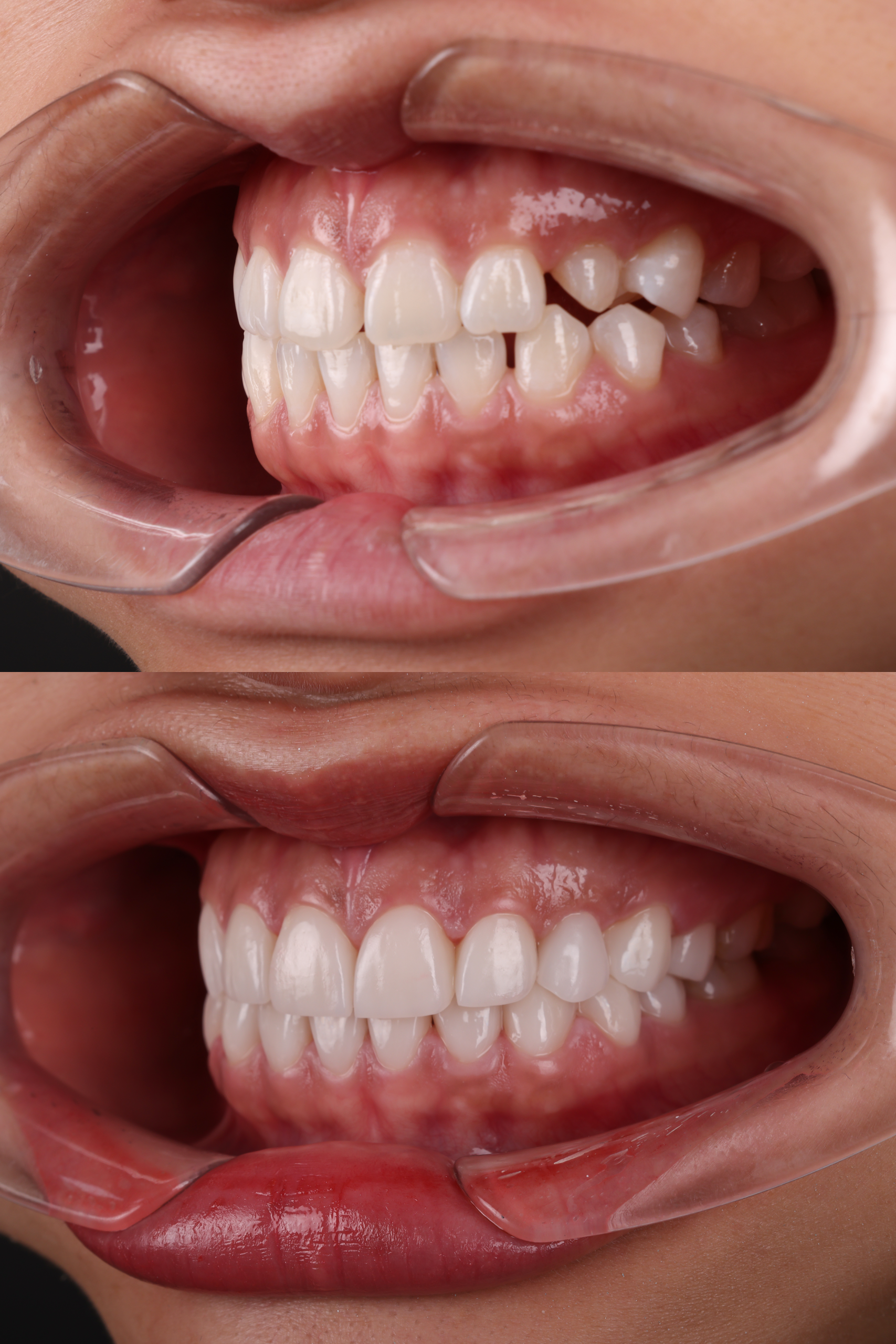
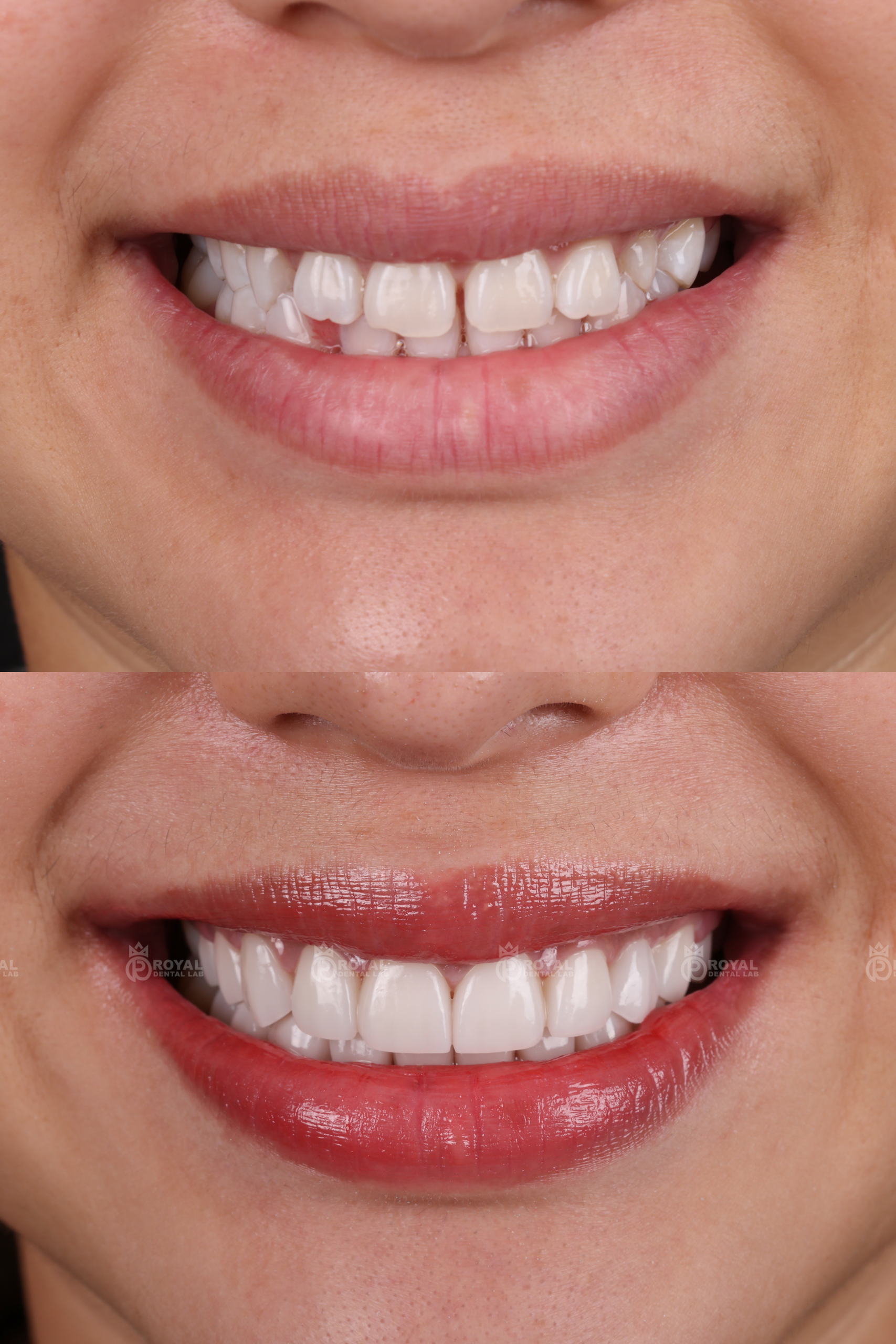
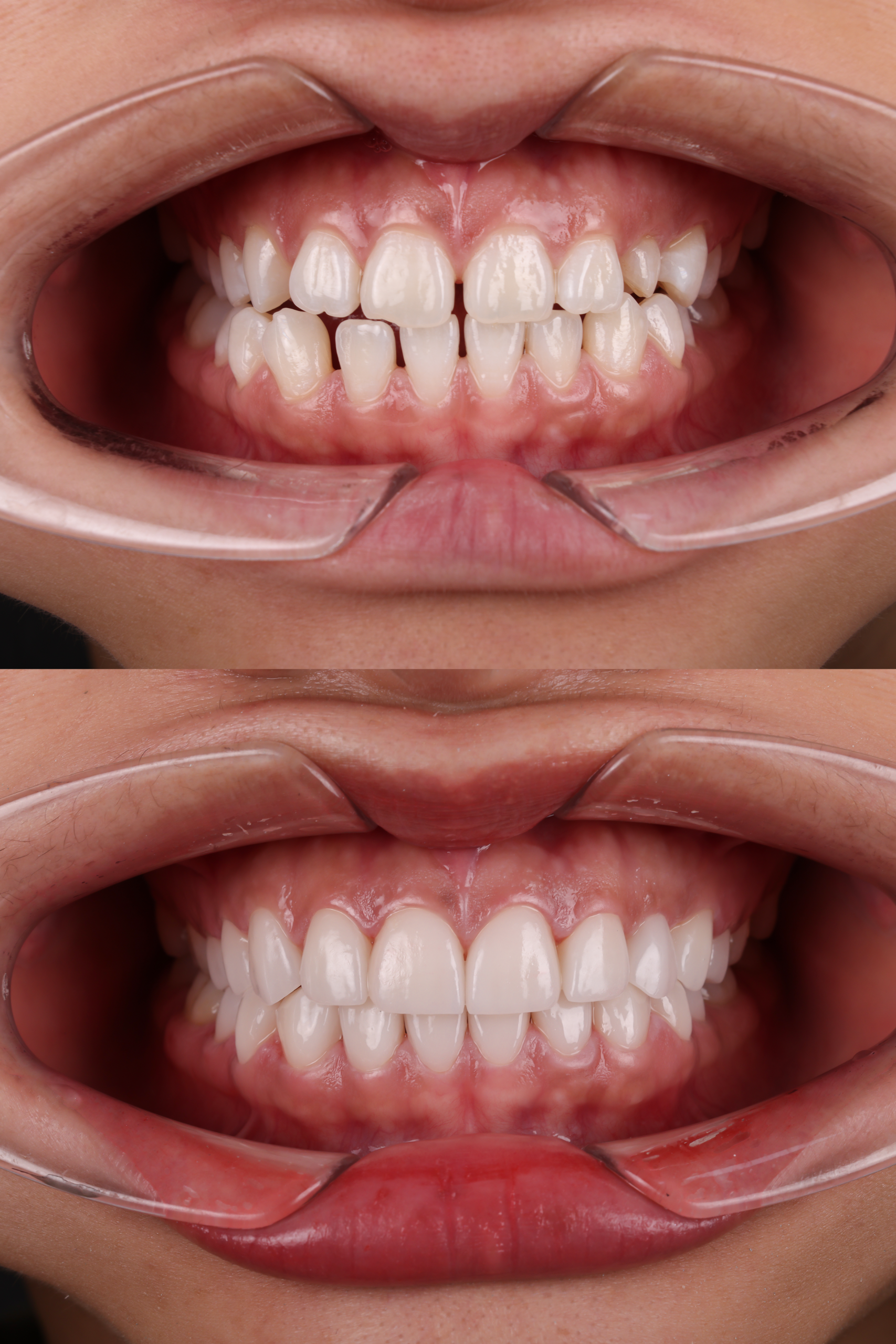
The Outcome
- The patient was satisfied at the try-in stage, with minimal adjustments required.
- Final bonding was completed in a single appointment.
Royal Dental Lab – Giải pháp Implant chuyên nghiệp với cam kết từ tâm !